

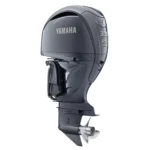
Yamaha 300hp DEC Outboard F300ECB
$15,951.00
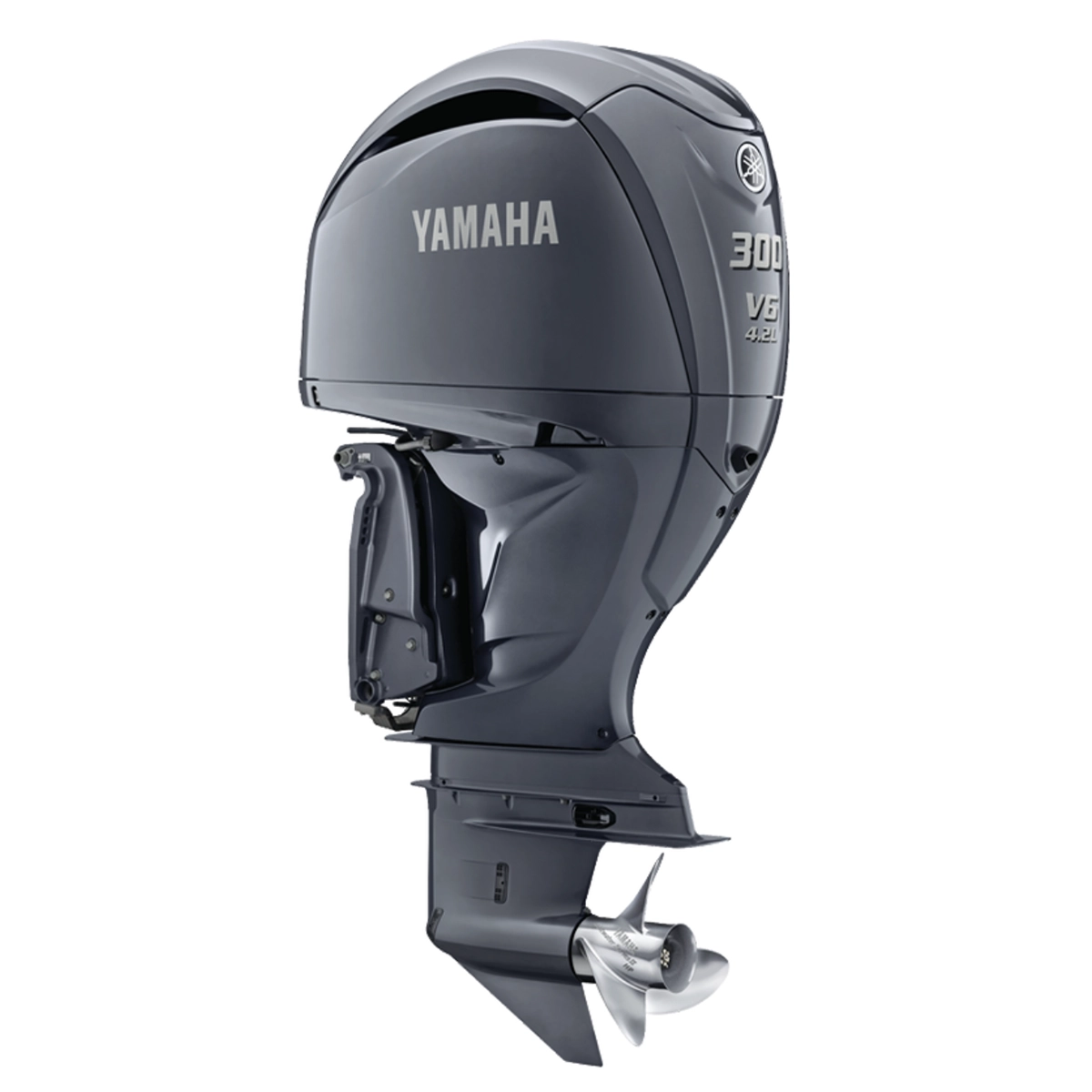
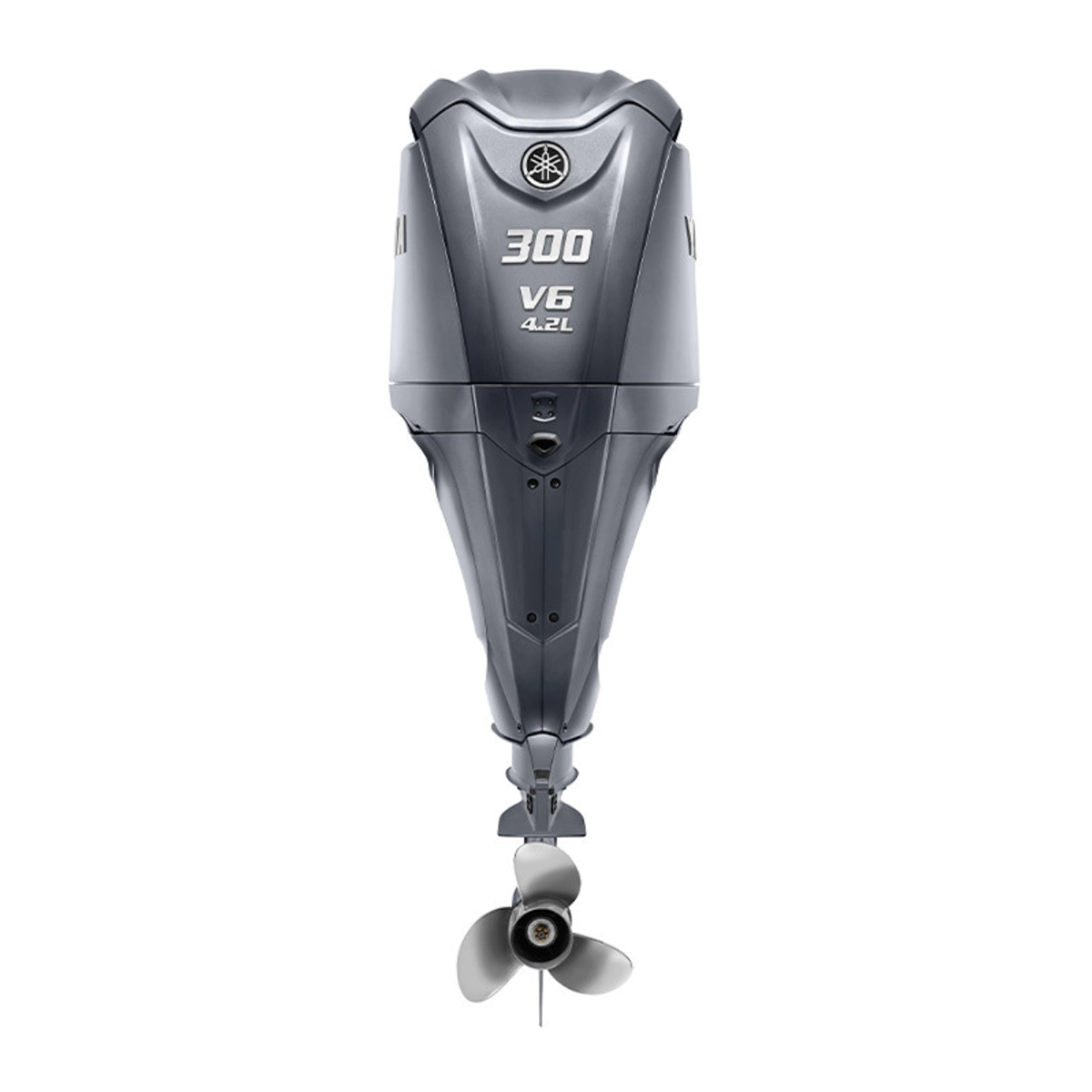
The Yamaha 300hp DEC Outboard F300ECB is a high-performance 4.2L V6 four-stroke engineered for offshore boats with extra-high transoms. Featuring Digital Electronic Controls and a 35-inch shaft, it delivers smooth power, precise handling, and legendary Yamaha reliability in demanding saltwater conditions.
Overview Yamaha 300hp DEC Outboard F300ECB
The Yamaha 300hp DEC Outboard F300ECB is built on Yamaha’s trusted 4.2-liter V6 offshore platform and designed specifically for boats requiring a 35-inch (XXX-Long) shaft. Known for its outstanding reliability and smooth power delivery, this model is ideal for offshore fishing boats, deep-V hulls, and vessels operating in rough saltwater environments.
With a refreshed cowling design, enhanced reverse thrust, and Digital Electronic Controls, the F300ECB offers confident handling, excellent maneuverability, and long-term durability.
Features and Performance
- 4.2L V6 Four-Stroke Engine – Strong offshore torque with smooth, efficient performance
- Digital Electronic Controls (DEC) – Precise throttle and shift response
- Electronic Fuel Injection (EFI) – Reliable starts and optimized fuel delivery
- 35″ XXX-Long Shaft – Ideal for offshore boats with extra-high transoms
- Saltwater Series II™ HP Propeller Compatibility – Improved top-end performance in lighter boats
- Shift Dampener System (SDS®) – Quieter, smoother gear engagement
- TotalTilt™ System – One-touch full trim up or down for easy trailering
- Thrust Enhancing Reverse Exhaust – Superior control when docking or reversing
- High-Output Alternator (50–70 Amp) – Supports advanced marine electronics
Why You Should Buy it
If your offshore boat requires a 35-inch shaft and dependable V6 power, the Yamaha F300ECB is an excellent choice. Its combination of digital control, smooth performance, and Yamaha’s legendary offshore reliability makes it a smart long-term investment for serious saltwater boating.
| Specification | Details |
|---|---|
| Engine Type | Yamaha F300ECB DEC Four Stroke |
| Horsepower | 300 hp |
| Cylinders | 6 (V6) |
| Displacement | 4.2 L |
| Fuel System | Electronic Fuel Injection (EFI) |
| Shaft Length | 35" (XXX-Long) |
| Throttle / Shift | Digital Electronic Controls |
| Steering | Command Link Controls with Remote Hydraulic Steering |
| Starter | Electric |
| Weight | 562 lbs |
| Alternator Output | 50–70 Amp |
| Full Throttle RPM Range | 5000 – 6000 rpm |
| Degree of Trim | -3° to +16° |
| Degree of Tilt | 70° |
| Warranty | Yamaha 3-Year Warranty |
| Standard Features | Power Trim & Tilt, Owner’s Manual |
- Yamaha 300hp DEC Outboard F300ECB
- Power Trim & Tilt
- Owner’s Manual
Frequently Asked Questions About Yamaha 300hp DEC Outboard F300ECB
What should buyers notice about the control system on Yamaha 300hp DEC Outboard F300ECB?
The control specification on Yamaha 300hp DEC Outboard F300ECB is one of its defining details: Digital Electronic Controls, Command Link Controls with Remote Hydraulic Steering, and a 35" (XXX-Long) shaft are all part of the listed configuration. That tells buyers this engine is arranged for a more integrated helm setup than a portable tiller model.
How is this motor controlled and started?
The control layout on this offshore outboard is clearly helm-oriented, with a 35" (XXX-Long) shaft, Command Link Controls with Remote Hydraulic Steering, and Electric start and Digital Electronic Controls. That tells buyers this engine is arranged very differently from a small tiller outboard and suits a more integrated control setup.
What stands out about the powerhead on this motor?
The specification centers on a 4.2 L V6 four-stroke engine with Electronic Fuel Injection (EFI). For buyers comparing nearby models, that matters because the row clearly sets out the displacement, cylinder count, and fuel system instead of leaving the motor’s character to the horsepower number alone.
Is there useful onboard charging capacity on this outboard?
A listed alternator output of 50–70 Amp is a major part of this engine’s overall profile. On a larger offshore-style motor, that figure matters because it speaks to the electrical support available while running more demanding onboard systems.
Related products
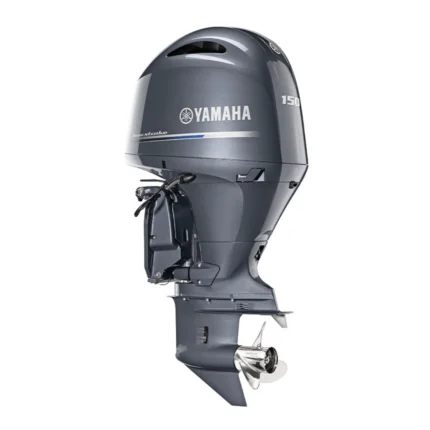
Yamaha 150hp DEC Outboard F150XSA
$11,191.00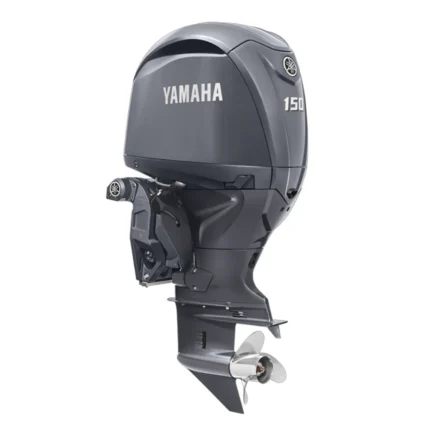
Yamaha 150hp Outboard LF150XD
$10,395.00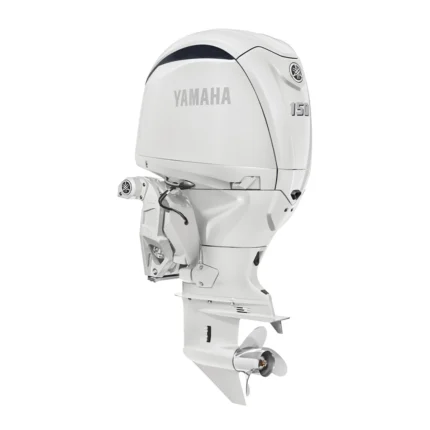
Yamaha 150hp White DEC Outboard F150XSA2
$11,605.00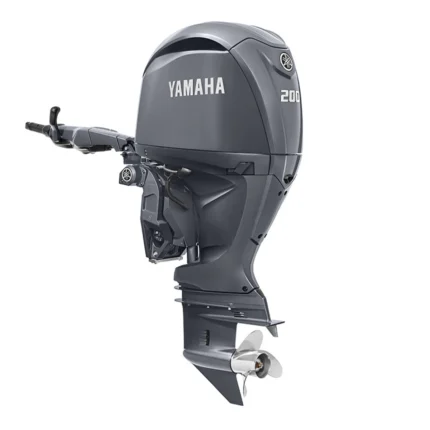
Yamaha 200hp Outboard F200XHA
$14,506.00
Yamaha 200hp V MAX SHO Outboard VF200LB
$13,047.00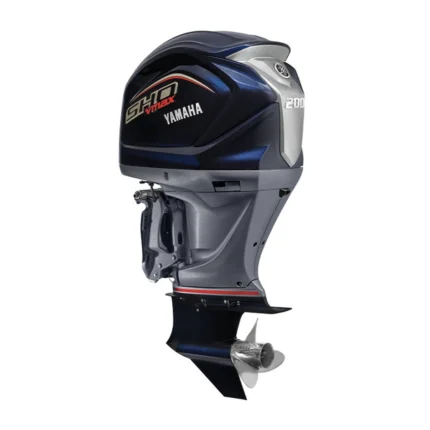
Yamaha 200hp V MAX SHO Outboard VF200XB
$13,309.00
Yamaha 225hp Outboard F225XB
$14,541.00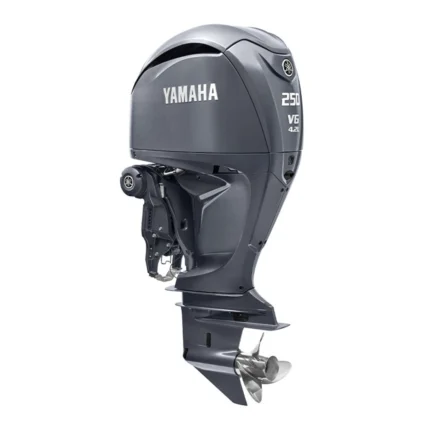
Reviews
There are no reviews yet.